The health hazards of cooking oil fumes include respiratory diseases, genetic toxicity, and cancer.
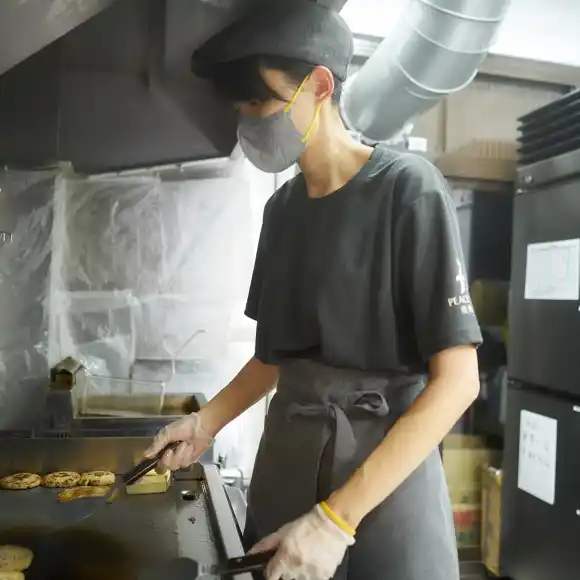
Cancer has been listed as the leading cause of death among workers. The Occupational Safety and Health Research Institute (OSHRI) of the Ministry of Labor conducted an epidemiological study on the occurrence of lung cancer among chefs in 2014. The study analyzed the relative risks of developing cancer among 332,266 Chinese cuisine chefs and a control group of 47,285 individuals involved in Chinese rice processing, aquatic product processing, baking, Western baking, Chinese noodle processing, meat product processing, and food and beverage service technology. Study results showed that Chinese cuisine chefs had relative risks of 2.4 times, 2.7 times, and 2.5 times for developing lung cancer, lung adenocarcinoma, and liver cancer, respectively, compared to the control group.
The harmful substances in cooking oil fumes include polycyclic aromatic hydrocarbons (PAHs) and aldehydes. OSHRI also conducted an exposure assessment of PAHs and aldehydes in cooking oil fumes in the workplace of a Chinese restaurant where a chef developed lung adenocarcinoma. The results showed that the personal average concentration of PAHs (including particulate and gaseous forms) was 6.5 μg/m3, and the total carcinogenic risk of PAHs was 3 × 10⁻⁴, which is higher than the acceptable carcinogenic risk of 10-6 specified by the US Environmental Protection Agency (EPA). The average concentrations of formaldehyde and acetaldehyde in cooking oil fumes in the workplace where the chef developed lung adenocarcinoma were 34.6 μg/m3 and 107.2 μg/m3, respectively. The respective carcinogenic risks of formaldehyde and acetaldehyde were 3.9 × 10⁻⁵ and 5.8 × 10⁻⁵, and the total carcinogenic risk of formaldehyde and acetaldehyde was 9.7 × 10⁻⁵, also higher than the acceptable carcinogenic risk of 10-6 specified by the EPA.
Based on chefs being a high-risk group exposed to kitchen cooking oil fumes, OSHRI urges employers to enhance kitchen ventilation, pay attention to the cleaning and maintenance of range hoods, and prioritize the health hazards of cooking oil fumes to chefs. It is recommended to regulate that chefs must first turn on the range hood before starting cooking, actively participate in safety and health education organized by government agencies, refer to the occupational health education training materials provided by OSHRI (website: http://laws.ilosh.gov.tw/Book/Public_Publish.aspx?P=138), strengthen health education for chefs, and regularly conduct health check-ups. Additionally, as the holiday season approaches, OSHRI kindly reminds individuals who cook at home that cooking activities increase significantly during the Lunar New Year period, so special attention should be paid to avoid the hazards of cooking oil fumes.
Should restaurant workers wear masks?
A mask should not replace a good exhaust hood or proper airflow. But for people who work close to oil fumes every day, the right mask can be part of a safer routine. Turn on the exhaust system before cooking, keep hoods and filters clean, train staff on safe habits, and use suitable respiratory protection for high-exposure tasks.
What should restaurants look for in a kitchen smoke mask?
A kitchen mask needs to fit real kitchen conditions. The Dacian kitchen smoke model is made for restaurant, BBQ, deep-fry, stir-fry, and baking environments. It is designed for smoke, oil mist, fine particles, and odors that can build up during long food-service shifts.
👉The page also notes that the mask can help block particles and oil particles while staying breathable and dry during longer wear. These are practical points for restaurant buyers because staff comfort affects whether masks are worn correctly throughout the shift.
How we support restaurants, central kitchens, and food businesses
As a Taiwan mask factory, we develop high-filtration masks for real workplace environments. For kitchens, that means oil mist, smoke, heat, humidity, and long wearing hours. Our 3D protective mask category includes options for kitchen smoke and oil mist, chemical aerosol, grinding powder, PM2.5 air pollution, and other workplace particle exposure.
If you manage a restaurant chain, hotel kitchen, central kitchen, or food processing site, contact us with your kitchen type, cooking method, staff count, daily wearing time, target market, and expected order quantity. We can provide product recommendations, size information, packing details, and available certification documents to help your team make a more informed purchasing decision.
News Resource: Press release from the Ministry of Labor 2015-2-6