Odors and Health Risks in Coffee Bean Roasting
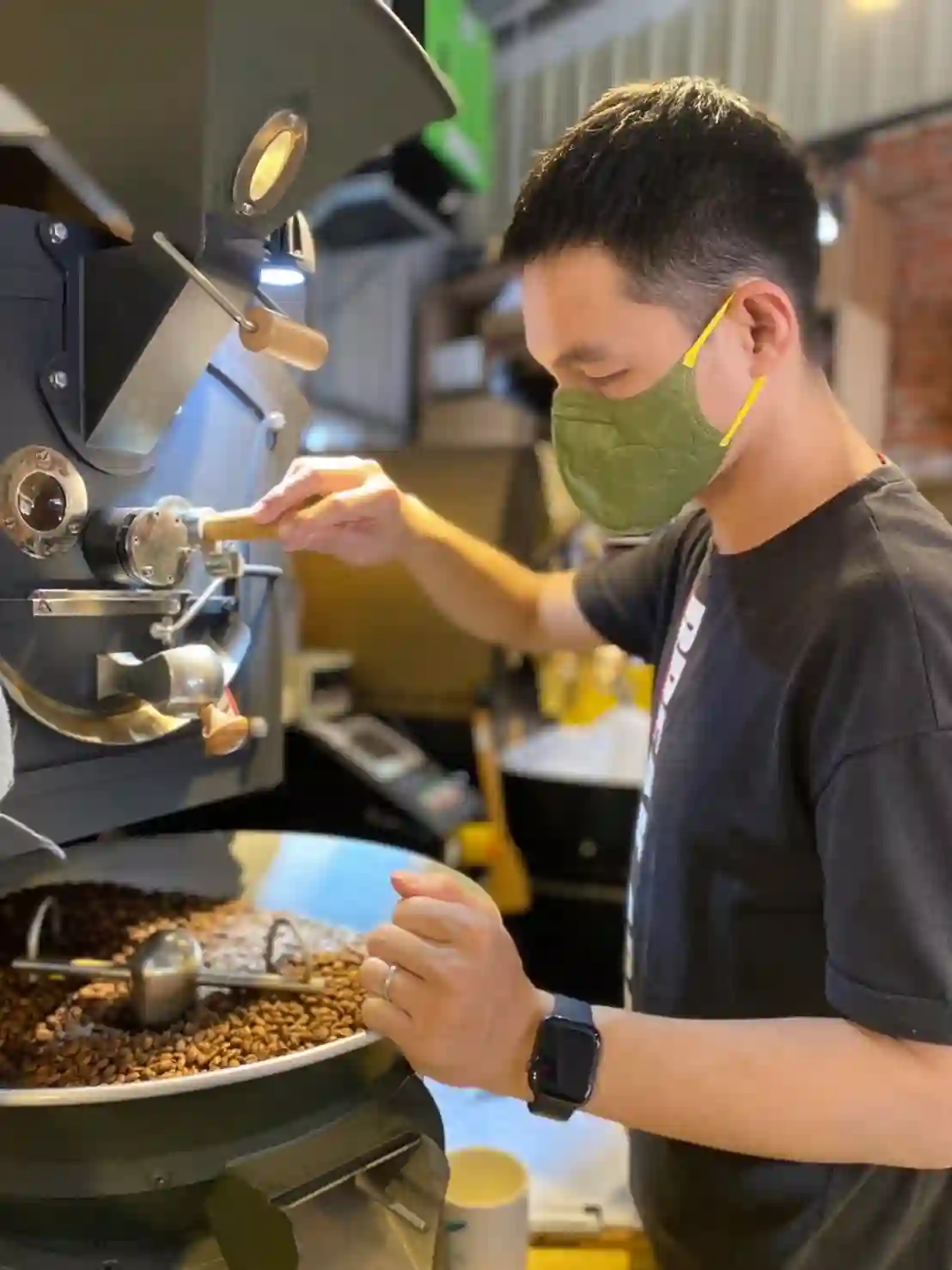
Coffee is an essential pick-me-up for many people's daily lives. For coffee bean enthusiasts and roasters, achieving the perfect roast is a daily challenge. However, many might overlook the potential health risks involved in this process, particularly the prolonged exposure to the significant odors and fumes generated during roasting, which poses a potential threat to the health of roasters.
The Odors of Coffee Bean Roasting
During the coffee bean roasting process, the transformation of green beans into roasted beans releases various chemical gases and oils. Among these gases, the most notable are harmful substances like PM2.5, "tar", and "carbonaceous matter." These substances volatilize at high temperatures and enter the air as fumes. These fumes not only have a pungent odor but also contain a large amount of harmful particles that can seriously impact the respiratory system.
When roasting, the natural oils within coffee beans are released under high temperatures and react with oxygen and nitrogen in the air to produce various volatile organic compounds. These substances not only affect the air quality of the work environment but also pose a potential health hazard to the roaster.
Long-Term Effects of Inhaling Roasting Fumes
Roasters, who often spend extended hours roasting beans, are often exposed to these fumes and harmful gases. Prolonged inhalation of these harmful substances can damage the respiratory system. The most common health issues are lung diseases such as chronic bronchitis, emphysema, and even the more severe lung cancer. The development of these diseases is usually gradual, with early symptoms often going unnoticed. By the time individuals are aware of the problem, their condition is often already quite severe.
The fine particles and fumes produced during roasting can penetrate deep into the lungs, causing long-term irritation to the lung lining. Roasters who inhale these particles may experience symptoms such as coughing, shortness of breath, and chest tightness, potentially progressing to chronic obstructive pulmonary disease.
Reducing Respiratory Risks for Roasters
For coffee roasters, the best way to reduce exposure to fumes is to take appropriate protective measures. Firstly, a high-efficiency exhaust system should be installed to remove smoke and harmful gases generated during roasting from the work area. A high-performance ventilation system can effectively discharge these harmful gases outside, reducing the roaster’s chance of inhaling toxic fumes.
Additionally, wearing a professional protective mask is an effective safeguard. Choosing a mask suitable for filtering oil smoke particles (👉such as a P95-rated mask) can help effectively filter harmful smoke particles and protect the roaster's respiratory system from long-term exposure.
Improving the ventilation of the work environment, wearing suitable protective equipment, and undergoing regular health checkups are all health protection measures that roasters should adopt. These actions can not only reduce the risk of occupational diseases but also provide a safer and healthier working environment for coffee roasters.
While coffee roasting is an art, the odors and fumes generated during the process also pose health challenges for roasters. Long-term exposure to high concentrations of harmful substances can have a significant impact on a roaster’s lung health. To protect their health, roasters should strengthen their protective measures, from improving the ventilation of the work environment to wearing appropriate protective masks. All of these measures can effectively reduce risk and ensure a healthy and safe work environment.
Do Cafe Workers Have to Wear Masks?
While ventilation remains the primary way to control roasting fumes, masks can provide an additional layer of protection in workplaces where airborne particles are present. Many café owners ask, do cafe workers have to wear masks when working around coffee roasting equipment or smoky preparation areas? While the answer depends on local workplace rules, many businesses encourage mask use to help reduce exposure to airborne particles created during roasting and food preparation. If masks are part of your workplace safety plan, choosing the right type is just as important as improving ventilation.
For roasting environments, comfort and particle filtration are often more important than appearance. A mask that is uncomfortable is less likely to stay on throughout a roasting shift. Features such as a 3D shape, a secure fit, and materials designed for particle filtration can make a noticeable difference during long roasting shifts.
Dacian's 3D protective mask line is made for PM2.5, dust, smoke, oil mist, and workplace particle exposure. The kitchen smoke model uses PP + dc Membrane + ES material.
Best face mask brands: Why talk to us at Dacian?
At Dacian, we make masks in Taiwan for people who work around air that is not always clean—coffee smoke, kitchen oil mist, grinding dust, PM2.5, and other fine particles. Our 3D Oil Mist FFP2 Dust Mask is made in Taiwan and is listed with EN149:2001 +A1:2009 FFP2 NR, Taiwan CNS15980 PM2.5 A grade, and China GB/T 32610 PM2.5 A grade certification 👉information on our product page.
Whether you manage a coffee shop, roasting facility, or commercial kitchen, combining good ventilation with a mask designed for airborne particle exposure can help reduce everyday exposure to roasting smoke and fine particles.